

Green building certification by the Indian Green Building Council (IGBC) signifies a project’s adherence to rigorous sustainability standards encompassing energy efficiency, water conservation, indoor environmental quality, and responsible site development. In Goa’s rapidly evolving real estate market, whether you plan to buy property in Goa or secure shop space in Goa, achieving IGBC certification enhances a development’s market appeal, reduces operational costs, and demonstrates environmental stewardship. This guide serves as a ready reckoner for developers and investors, outlining IGBC’s core criteria and best practices—from design and material selection to construction and post-occupancy maintenance—and highlights Mohidin Properties’ leading sustainable initiatives.
Understanding IGBC Certification and Its Significance
The IGBC Green New Buildings Rating System™ evaluates a project across multiple categories, ensuring comprehensive sustainability:
- Sustainable Site Development
- Water Conservation
- Energy Performance
- Indoor Environmental Quality
- Sustainable Materials
- Innovation & Additional Practices
For developers in Goa, IGBC certification not only aligns with global best practices but also delivers tangible benefits: lower utility bills, higher asset values, and a reputation for environmental leadership—key factors for those seeking to buy property in Goa or shop space in Goa that stands out in a competitive market.
1. Sustainable Site Development
Criteria
- Site Selection & Protection: Avoid ecologically sensitive zones; preserve existing vegetation.
- Heat Island Mitigation: Implement green roofs, reflective paving, and tree canopies to reduce ambient temperatures.
- Stormwater Management: Design swales, permeable pavements, and bio-retention systems to control runoff.
Best Practices Checklist
- Conduct an ecological impact assessment.
- Retain mature trees and topsoil during construction.
- Install permeable walkways and retention ponds.
2. Water Conservation
Criteria
- Rainwater Harvesting: Capture and reuse rainwater for landscaping or non-potable uses.
- Efficient Fixtures: Use low-flow faucets, dual-flush toilets, and sensor-based taps.
- Wastewater Recycling: Implement greywater treatment for irrigation.
Best Practices Checklist
- Design rooftop collection systems with adequate storage.
- Specify fixtures rated for <6 litres/minute flow.
- Incorporate biological sewage treatment or bio-reed systems.
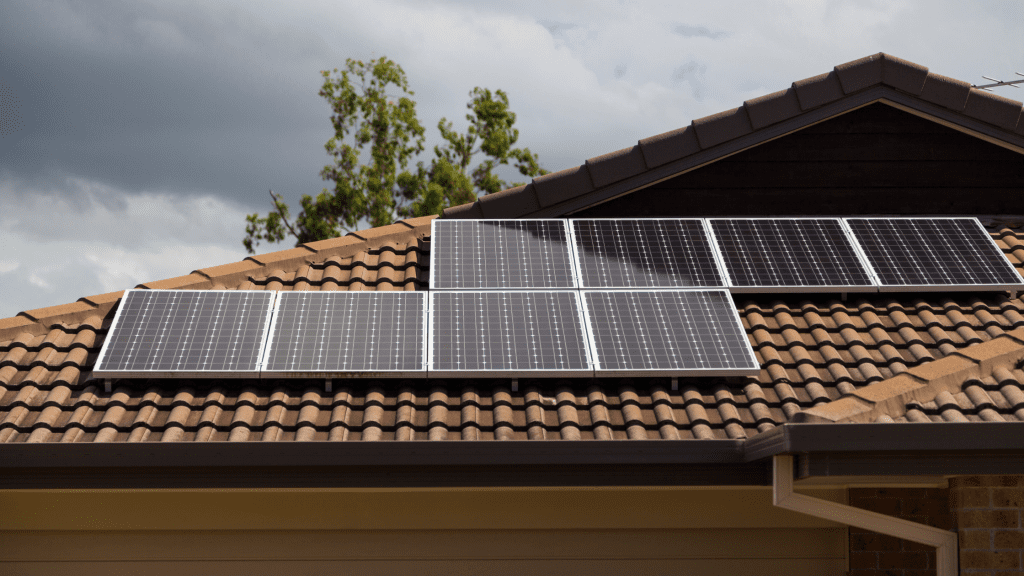
3. Energy Performance
Criteria
- Building Envelope: High-performance glazing, insulated walls, and reflective roofing.
- Renewable Energy: Onsite solar PV or solar water heating.
- Efficient HVAC & Lighting: Use variable-speed drives, LED lighting, and daylight sensors.
Best Practices Checklist
- Conduct energy modelling during design phases.
- Specify MRL (Machine Room-Less) elevators to reduce power draw.
- Install solar PV systems sized for at least 10% of peak load.
4. Indoor Environmental Quality
Criteria
- Ventilation & Air Quality: Exceed minimum fresh-air requirements; avoid volatile organic compounds (VOCs) in finishes.
- Thermal Comfort: Maintain design temperatures and humidity levels.
- Daylighting & Views: Provide adequate window-to-wall ratios for natural light.
Best Practices Checklist
- Use high-efficiency particulate air (HEPA) filters.
- Select paints, adhesives, and sealants with low-VOC ratings.
- Design open-plan layouts that promote daylight penetration.
5. Sustainable Materials
Criteria
- Recycled & Renewable Content: Use materials with high recycled content or certified by recognised bodies.
- Locally Sourced Products: Reduce transportation impacts by sourcing within 500 km.
- Durability & Life-Cycle: Prioritise materials with long service lives and low maintenance.
Best Practices Checklist
- Blend cement with ≥50% fly ash or GGBS to reduce the carbon footprint.
- Employ high-tensile steel to minimise steel quantities while ensuring structural safety.
- Use low-density AAC blocks to decrease masonry needs and related emissions.

6. Innovation & Additional Practices
Beyond core criteria, IGBC rewards pioneering efforts, such as:
- Biodiversity Enhancements: Native landscaping and pollinator gardens.
- Smart Building Integration: Automated building management systems for real-time performance monitoring.
- Occupant Engagement: Training and awareness programmes for sustainable operations.
Mohidin Properties’ Sustainable Journey
At Mohidin Properties & Holdings, sustainability has been a key focus for over a decade. We have undertaken numerous micro-steps to minimise their environmental impact, including the use of bio-reed technology for sewage treatment and MRL (machine room-less) elevators, which save power, require smaller backup generators, and reduce fuel consumption. These measures lower running costs, maintenance needs, and emissions, ultimately reducing the overall carbon footprint. While these initiatives come with a higher setup cost, Mohidin Properties remains deeply committed to prioritising long-term environmental benefits and sustainable living for the well-being of clients and communities.
Other sustainable initiatives include rainwater harvesting for groundwater recharging and incorporating environmentally friendly materials like GGBS in cement mixes, Fly Ash bricks, and AAC blocks, which reduce steel demand. Looking ahead, at Mohidin Properties, we anticipate a stronger emphasis on eco-friendly construction through green building practices, energy-efficient design, mixed-use development, and creating connected, serene spaces for retirees.
Post-Construction and Maintenance
Achieving certification extends into operations:
- Building Commissioning: Verify systems perform as designed via pre- and post-occupancy tests.
- Ongoing Monitoring: Use sub-metering for energy and water to track consumption.
- Maintenance Protocols: Schedule regular filter changes, system calibrations, and rainwater tank cleaning.
Conclusion
IGBC certification represents a holistic approach to sustainable construction, encompassing site stewardship, resource efficiency, occupant health, and innovative materials. For investors aiming to buy property in Goa or secure shop space in Goa with green credentials, understanding these criteria is essential. Developers can use this checklist as a blueprint to achieve certification and deliver environmentally responsible projects that stand the test of time.
Elevate your next real estate endeavour by embracing sustainability. Contact Mohidin Properties today to learn how we can guide you through green building certification and responsible investment in Goa’s dynamic market.

One Response