
Summary
Biophilic design in coastal real estate redefines modern luxury by combining climate-adaptive engineering with natural elements to achieve effortless passive cooling. By integrating traditional courtyards (angans), indigenous laterite stone, and calculated cross-ventilation pathways, these homes facilitate continuous natural airflow and thermal regulation. This design philosophy drastically curtails air-conditioning dependency, cuts household energy consumption, and provides an authentic, high-end tropical-minimalist aesthetic engineered to endure coastal humidity.
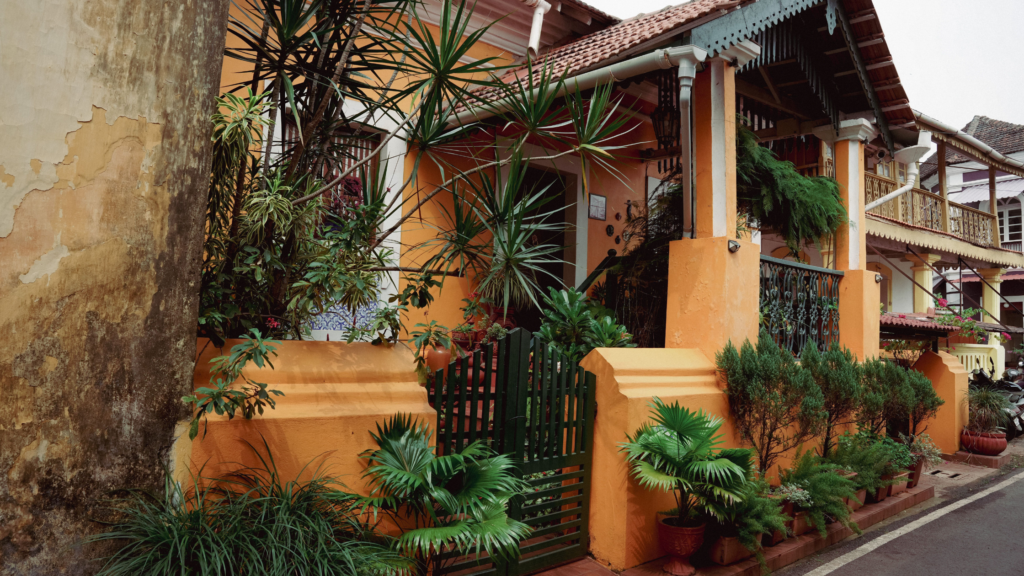
For decades, modern residential architecture often relied on sealed glass boxes that depended on continuous, artificial air-conditioning to remain habitable. In a tropical coastal setting, this approach creates stagnant indoor environments, high power bills, and recurring moisture issues.
True architectural sophistication in coastal living has pivoted toward climate-adaptive construction. Discerning homeowners and real estate professionals now recognise that luxury in Goa is defined by a home’s ability to breathe and withstand the elements. At Mohidin Properties, we champion biophilic design not merely as an aesthetic style, but as an engineered discipline of passive thermal comfort.
The Science of Passive Airflow Engineering
The foundation of biophilic architecture lies in how air moves through a living space. Rather than trapping ambient heat, homes designed for coastal environments utilise pressure differentials to create passive breezes.
- The Power of the Courtyard (Angan): The traditional Goan-Portuguese courtyard acts as a thermal chimney. As warm air rises inside the home, it naturally vents out through the open courtyard, pulling cooler air inward through lower window openings and garden verandas.
- Engineered Cross-Ventilation: Aligning large exterior openings with prevailing coastal wind patterns ensures continuous air circulation, flushing out trapped heat and stagnant humidity without requiring mechanical intervention.
When you step into a well-designed 3BHK apartment in Goa or a duplex villament, this natural airflow creates an immediate drop in perceived indoor temperature.
Indigenous Materials as Thermal Regulators
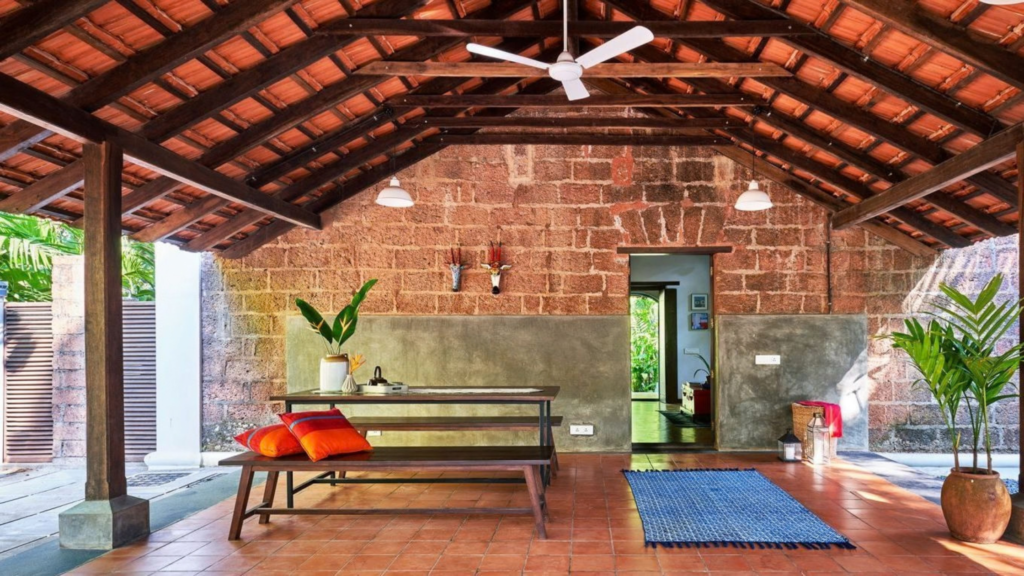
Biophilic design emphasises tactile, regional materials that have naturally adapted to coastal climates over centuries.
- Laterite Stone Cladding: Utilising local laterite stone provides exceptional thermal mass, absorbing the sun’s intense heat during the day and preventing it from penetrating deep into interior living quarters.
- Breathable Plasters and Finishes: Incorporating breathable lime plasters and lime washes helps regulate indoor moisture levels while keeping wall surfaces naturally cooler than synthetic plastic paints.
- Terracotta Accents: Natural terracotta elements offer high thermal insulation, slowing down heat transfer and keeping roofs and floorings cool underfoot.
By merging these earth-born textures with clean, modern lines, architects achieve an authentic tropical-minimalist aesthetic that outlasts fleeting interior trends.
Lowering Energy Footprints Without Sacrificing Comfort
Passive cooling directly improves the financial mechanics of running a home. Studies highlighted by the Indian Green Building Council (IGBC) show that homes leveraging passive cooling and green materials consume 20–30% less energy than conventional builds.
For buyers investing in a second home in Goa, this significantly lowers monthly operational and utility expenses. Your air conditioners run efficiently when needed, rather than struggling non-stop against poorly insulated, overheated walls.
A Thoughtful Standard in Central Goa
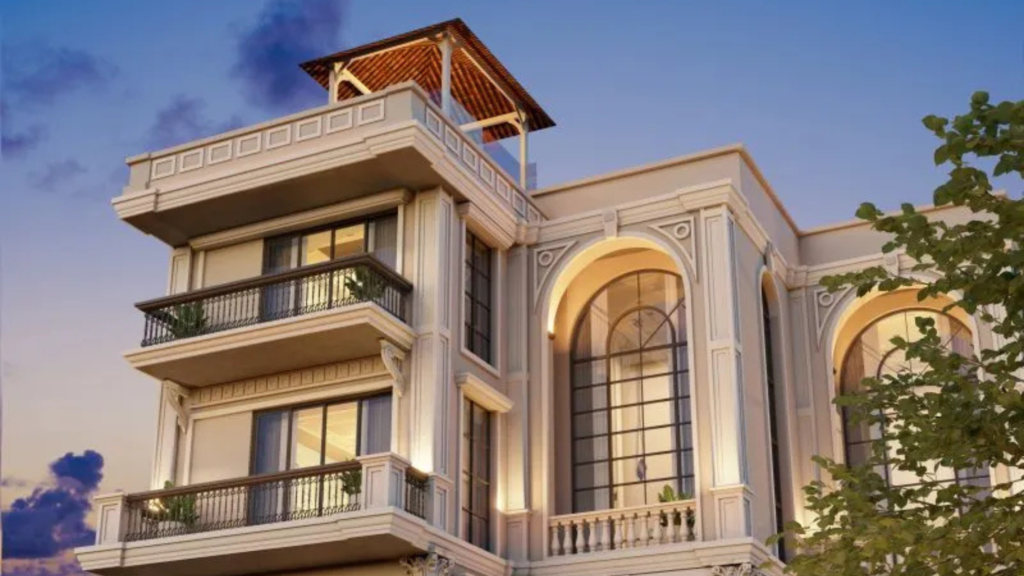
Forward-thinking builders recognise that climate-responsive engineering is what separates ordinary developments from enduring legacy assets. Across prime residential corridors in Central Goa, from elevated enclaves in Chicalim and Dabolim to peaceful pockets in Sancoale, integrating biophilic design allows homes to harmonise with coastal wind corridors flowing off the bay.
The Best Developers in Goa do not build against the coastal environment; they design alongside it. By fusing generous double-height spaces, native landscaping, and smart airflow channels into our properties, we ensure that every residence provides a serene, cool, and effortless sanctuary.
Experience coastal living where design works with nature to deliver lasting comfort and lower energy costs.
Contact the team at Mohidin Properties today to explore our biophilic, climate-adaptive homes in Central Goa, thoughtfully crafted for the tropical climate.
FAQ
Biophilic design is an architectural approach that connects residents with the natural environment by incorporating natural light, native vegetation, local raw materials (like laterite stone), and airflow patterns to create healthier living spaces.
A courtyard functions as a natural ventilation funnel. Warmer air rises and escapes through the open roof, creating negative pressure that pulls cooler air into adjacent rooms through shaded windows and verandas.
Yes. Homes designed with cross-ventilation and thermal insulation reduce indoor heat retention, allowing spaces to stay comfortable naturally and enabling certified eco-friendly houses to consume 20–30% less energy.
Laterite is indigenous to the region, highly porous, and offers strong thermal mass, absorbing external heat during peak daytime hours and keeping interiors cool while resisting salt-air degradation.
Yes. By designing layouts with dual-aspect openings for cross-ventilation, expansive shaded balconies, native green landscaping, and non-toxic, breathable wall coatings, modern apartments achieve the benefits of biophilic cooling within a contemporary floor plan.
