
Summary
In Goa’s extreme coastal climate, standard wood flooring frequently fails because it requires maintaining an indoor relative humidity of 40% to 60%, which is nearly impossible during the monsoon without continuous industrial dehumidifiers. To combat moisture absorption and surface “sweating,” homeowners heavily prefer vitrified tiles, natural stone, and traditional red oxide flooring. These materials offer superior resistance to dampness, prevent mould and mildew, and remain comfortably cool underfoot during hot, humid summers.
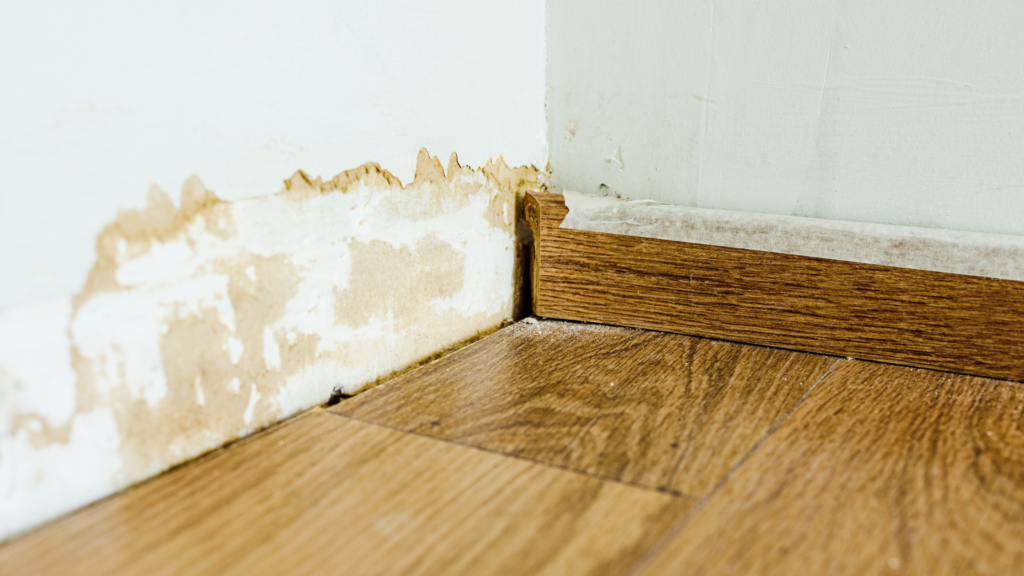
As one of the Best Developers in Goa, we know that designing a home here requires more than just a good eye for aesthetics; it requires an understanding of climate science. Goa’s tropical, coastal environment poses severe structural challenges. At Mohidin Properties, we constantly address buyers’ concerns regarding how to combat humidity, mould, fungal growth, and structural warping caused by torrential rains and high ambient salt levels in the air.
Whether you are designing a compact 2BHK apartment in Goa or outfitting a luxury villa in Central Goa, your choice of wall treatments and flooring dictates whether your home breathes or suffocates.
The Problem with Wood Flooring in Goa
Many buyers moving from dry urban centres want to install standard or engineered wood flooring to replicate a metro aesthetic. Unfortunately, materials suited for dry cities fail catastrophically in Goa.
- The Humidity Trap: Wood is highly porous and absorbs ambient moisture. Wood flooring requires maintaining indoor relative humidity between 40% and 60%.
- The Reality of the Monsoon: Achieving this 40% to 60% relative humidity is a near-impossibility during the Goan monsoon without the continuous use of industrial dehumidifiers.
Without these constant interventions, the wood will rapidly swell, warp, and harbour mould.
The Superior Flooring Solutions
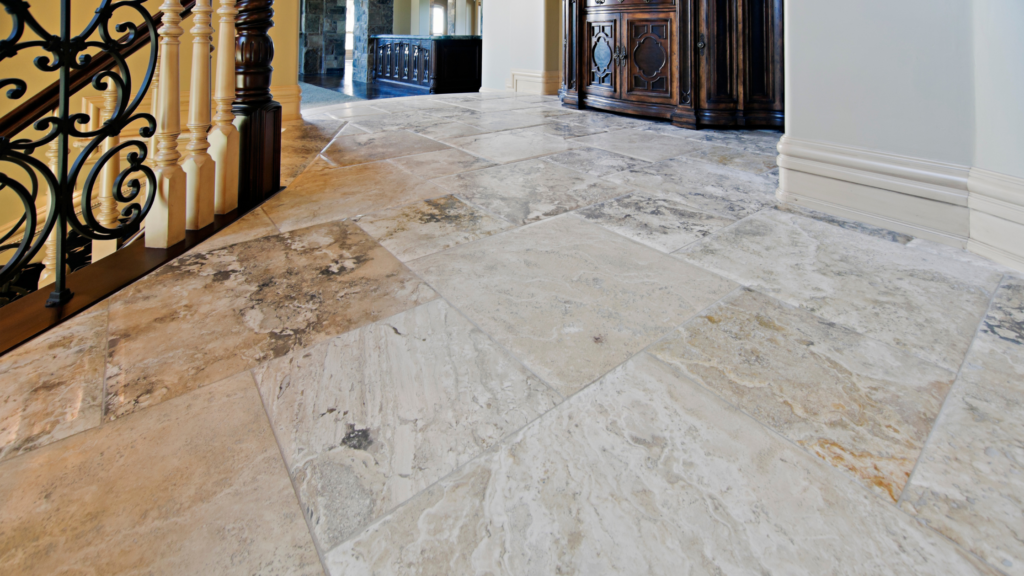
Because of the inherent risks of wood, the market demonstrates a massive preference for materials that offer high resistance to moisture absorption and remain cool underfoot during humid summers.
- Vitrified Tiles: These are engineered to be extremely dense and non-porous, making them virtually impervious to water absorption. They do not warp or swell, making them the standard for a modern 3BHK apartment in Goa.
- Natural Stone: Materials like granite or locally sourced laterite stone provide high durability and natural cooling properties.
- Red Oxide: There is a strong traditional method of using red oxide flooring in Goan heritage homes. Red oxide is deeply breathable, exceptionally cool underfoot, and develops a beautiful patina while resisting the dampness that plagues modern synthetic floors.
Understanding Wall “Sweating” and Treatments
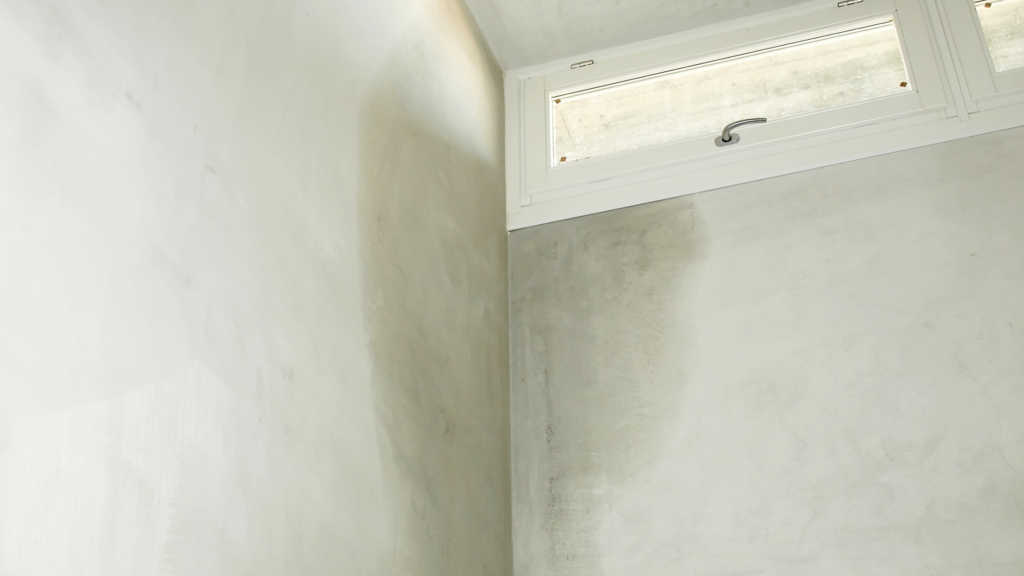
“Sweating” on walls and floors happens when warm, highly humid coastal air meets a cooler indoor surface, leading to rapid condensation. Capillary moisture from the ground can also travel up poorly sealed walls.
- Preventing Dampness: To prevent mould, mildew, and dampness on walls in a Goa property, it is critical to use breathable materials and specialised anti-fungal protective coatings.
- Ventilation is Key: Trapping moisture behind impermeable wallpapers or improper paints exacerbates the issue. Integrating traditional courtyards (angans) and ensuring passive cross-ventilation allows the home to “breathe,” naturally drying out condensation before mould can form.
By utilising climate-adaptive architecture and the right materials, Goa’s best Developers ensure that your second home in Goa remains pristine, fresh, and structurally sound, no matter how heavy the monsoon gets.
Don’t let coastal humidity ruin your investment. Choose a home built with climate-adaptive architecture and premium, moisture-resistant materials.
Contact the team at Mohidin Properties today to explore our meticulously engineered apartments and villas in Central Goa, designed to thrive in the tropical climate.
FAQ
Wood flooring requires maintaining indoor relative humidity between 40% and 60%. This is a near-impossibility during the Goan monsoon without the continuous use of industrial dehumidifiers, leading to warping and swelling.
Vitrified tiles, natural stone, and red oxide flooring are the best options. They offer high resistance to moisture absorption and remain cool underfoot during humid summers.
Red oxide flooring is a time-tested traditional method in Goa. It provides a smooth, naturally cool, and breathable surface that resists moisture buildup and fungal growth during the heavy monsoons.
To prevent mould and dampness on walls, use mould-resistant and anti-fungal paint brands, ensure proper cross-ventilation, and avoid using materials like standard wallpaper that can trap moisture and peel off due to dampness.
Engineered wooden flooring is highly susceptible to warping in Goa’s rainy season unless you use continuous industrial dehumidifiers to drastically lower the indoor humidity levels. Vitrified tiles or stone are much safer alternatives.
