
Summary
Goa’s real estate market has undergone a fundamental shift over the last decade. Once driven largely by holiday homes and short-term ownership, it is now shaped by end-users seeking permanent residences. Migration driven by remote work, improved infrastructure, and a preference for balanced living has turned Central Goa into a year-round residential market—changing how homes are bought, used, and valued.

For years, Goa’s property market was closely tied to tourism. Homes were purchased primarily as vacation retreats, often remaining unoccupied for long stretches of the year. That pattern has changed decisively. Today, demand is increasingly driven by people who live and work in Goa full-time, creating a more stable, end-user-led market.
According to Knight Frank India, lifestyle-driven migration and hybrid work models have significantly altered residential demand across coastal states, with Goa emerging as a standout beneficiary.
What Triggered the Shift to an End-User Market?
The most significant catalyst was the widespread adoption of work-from-anywhere and hybrid employment models. Professionals were no longer bound to metro cities, allowing them to choose locations based on quality of life rather than office proximity.
A report by JLL India notes that cities offering lifestyle advantages alongside connectivity have seen sustained end-user demand post-2020. Goa fits squarely into this category.
This shift encouraged buyers to look beyond short stays and instead invest in homes suitable for daily living.
Migration Patterns: Who Is Moving to Goa Today?
Goa’s new buyers are a mix of working professionals, entrepreneurs, defence personnel, aviation staff, and families seeking a calmer environment. Many are relocating from metros such as Mumbai, Bengaluru, and Pune, while others are Goans returning after years outside the state.
According to Census-linked migration analyses published by the Ministry of Statistics, intra-state and inter-state migration toward smaller urban centres has accelerated over the past decade.
This influx has created consistent residential demand rather than seasonal spikes.
Why Central Goa Became the Focal Point
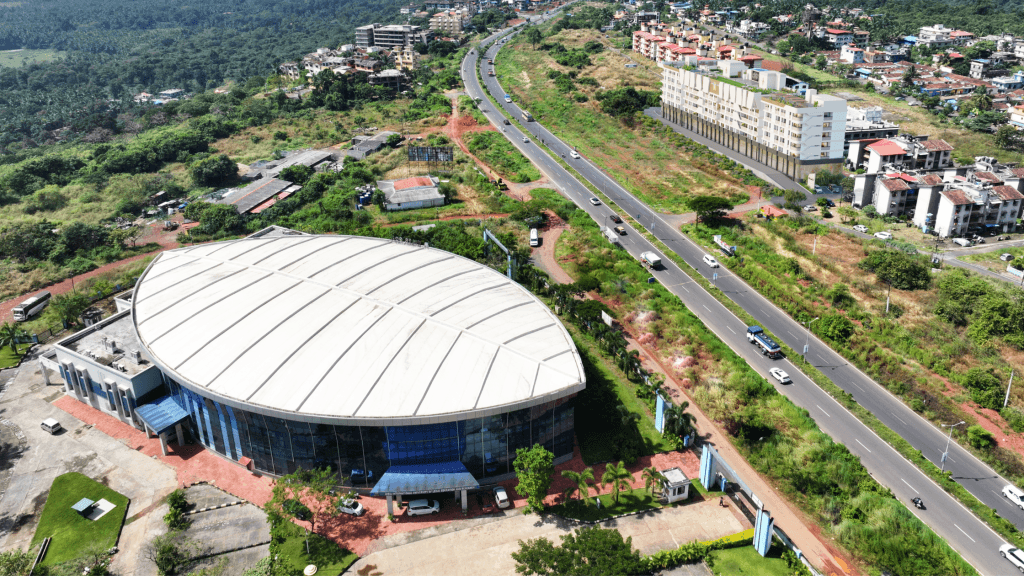
While North Goa remains tourism-heavy and parts of South Goa remain sparsely developed, Central Goa has quietly emerged as the most practical residential zone. Areas along the NH-566 corridor, near Dabolim Airport and employment hubs like Verna, offer an unmatched balance—connectivity without congestion.
Urban development studies consistently show that mid-corridor regions linking economic and transport nodes attract end-users faster than destination-centric markets.
For buyers, this means homes that support everyday routines, not just weekend escapes.
How Infrastructure Growth Changed Buyer Confidence
Infrastructure plays a decisive role in converting a holiday market into an end-user market. Improved highways, better airport access, healthcare facilities, schools, and retail development have made living in Goa practical year-round.
According to NITI Aayog, infrastructure-led growth directly influences long-term residential stability and population retention.
This has reduced dependency on tourist cycles and increased confidence among permanent residents.
Why End-User Demand Creates a Healthier Market
End-user-driven markets tend to be more resilient. Homes are designed for functionality, communities become active year-round, and neighbourhoods develop organically rather than fluctuating with tourist seasons.
RBI housing market observations highlight that regions dominated by owner-occupiers show lower volatility and stronger long-term value retention.
This shift benefits both residents and long-term investors seeking stability rather than speculation.
Is Goa Still a Lifestyle Market? Yes—But Evolved
Goa hasn’t lost its lifestyle appeal; it has simply matured. Buyers no longer choose between comfort and convenience—they expect both. The modern Goan homeowner values walkable neighbourhoods, reliable infrastructure, and access to leisure without sacrificing routine life.
UN-Habitat research notes that cities offering “live-work-leisure proximity” are best positioned for sustainable urban growth. Central Goa increasingly fits this profile.
What This Shift Means for Today’s Buyers
For buyers today, this evolution means greater choice and confidence. Purchasing a home in Goa is no longer a niche lifestyle decision—it is a mainstream residential choice backed by infrastructure, employment, and long-term viability.
Projects located along growth corridors benefit most from this transformation, as they align with how people now choose to live.
A Market That Has Come of Age
Goa’s transition from a holiday-driven market to an end-user-led residential destination reflects deeper economic and social changes. Migration patterns, flexible work, and infrastructure investment have reshaped demand—especially in Central Goa.
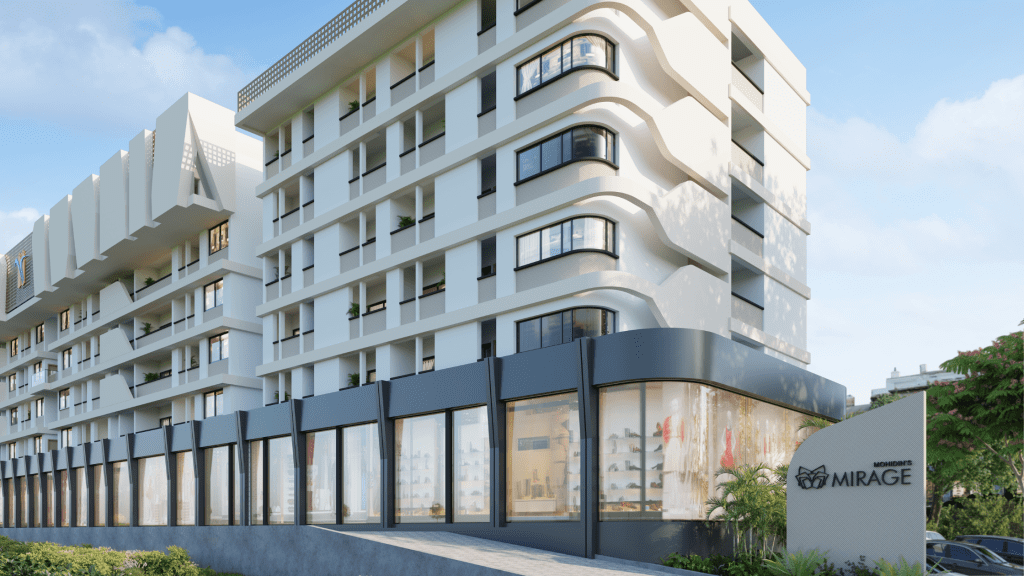
If you’re exploring property in a location that supports everyday living today and long-term relevance tomorrow, consider how Mohidin’s upcoming project, Mirage, aligns with this new chapter in Goa’s real estate story. Reach out to the Mohidin team to learn more.
Disclaimer: The recommendations and insights provided in this article are based on current trends and market conditions at the time of writing and should not be construed as financial or investment advice. Prospective investors are strongly encouraged to conduct thorough market research and perform their own due diligence before making any residential or commercial investment decisions.
FAQs: Understanding Goa’s End-User Market Shift
No. End-users now form a significant share of demand, especially in Central Goa.
It allows professionals to prioritise lifestyle and connectivity over city-centre offices.
Central Goa corridors near highways, airports, and employment hubs see the strongest end-user demand.
Yes. Owner-occupied markets tend to be more stable over time.
Increasingly so, thanks to infrastructure growth and evolving urban patterns.
